
Six Ways to Steward the Salish Sea

Being surrounded by water makes the ocean a key part of the island experience. From beachcombing to casting lines for the day’s catch, from cruising the archipelago to catching glimpses of orcas breaching, islanders embrace opportunities to connect with the Salish Sea. And they take their responsibility to steward the ocean very (very!) seriously.
Whether visiting for a weekend, or a while, it’s part of your responsibility, too. Here are six ways you can support marine ecosystems during your stay in the Southern Gulf Islands—because being water-aware is always where it’s at.
Be a friend to marine animals
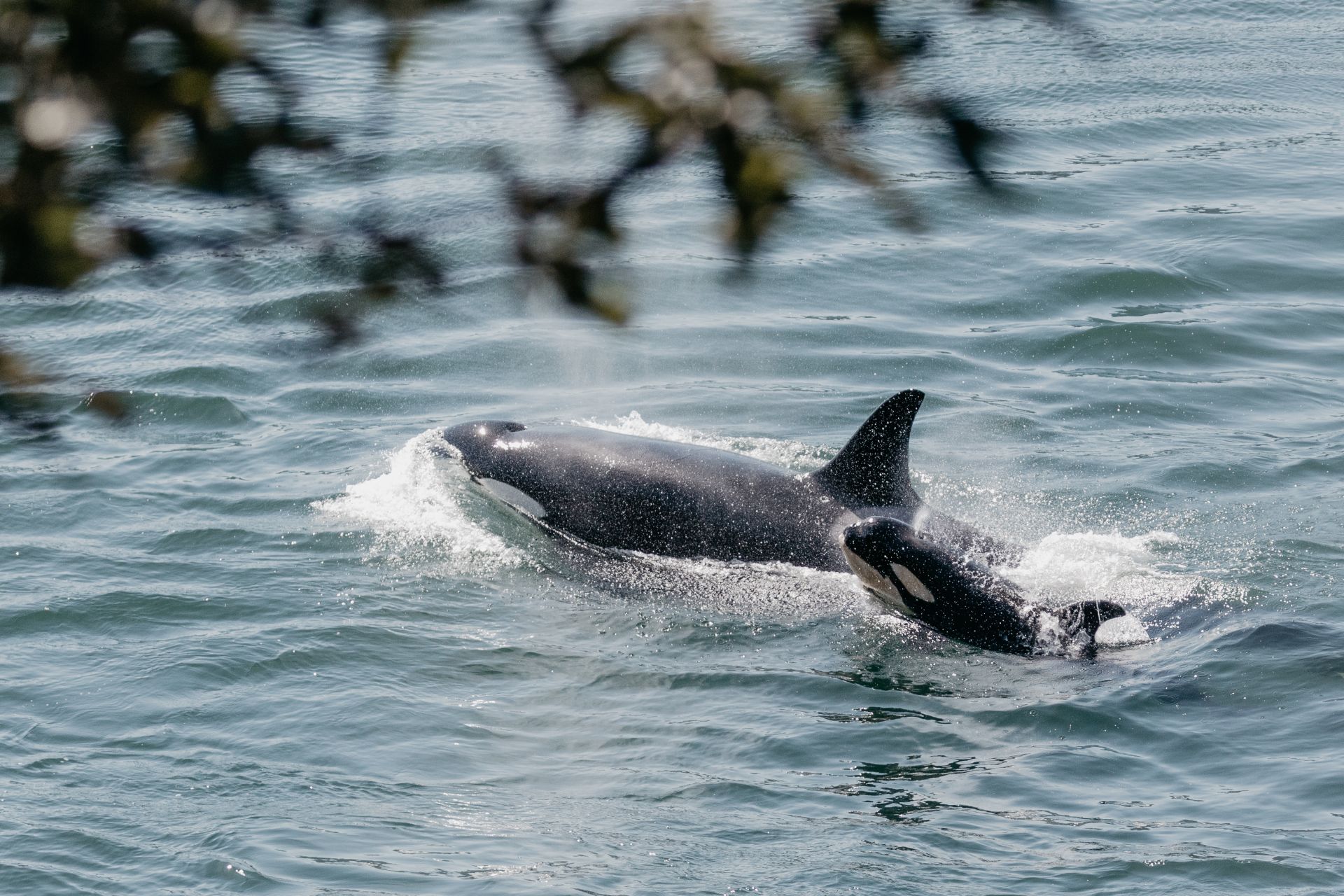
Quiet observation is the only way to play. When boating, be aware of Interim Sanctuary Zones, area-based fishing closures, and seasonal slowdown areas. On the shoreline, watch your step in sensitive areas like intertidal zones. And if you spot a harbour seal pup, keep your distance and leash your pets. Mother seals often leave their babies on shore while they hunt for hours at a time.
Know the conservation zones
All five of the Southern Gulf Islands have Rockfish Conservation Areas where hook and line fishing is banned. If you’re fishing from a boat rather than the shoreline, those boundaries can be difficult to understand, and accidental (but still illegal) rockfish fishing isn’t uncommon. Use the free MyCatch mobile app to make sure you’re not in a conservation area.
Anchor with care
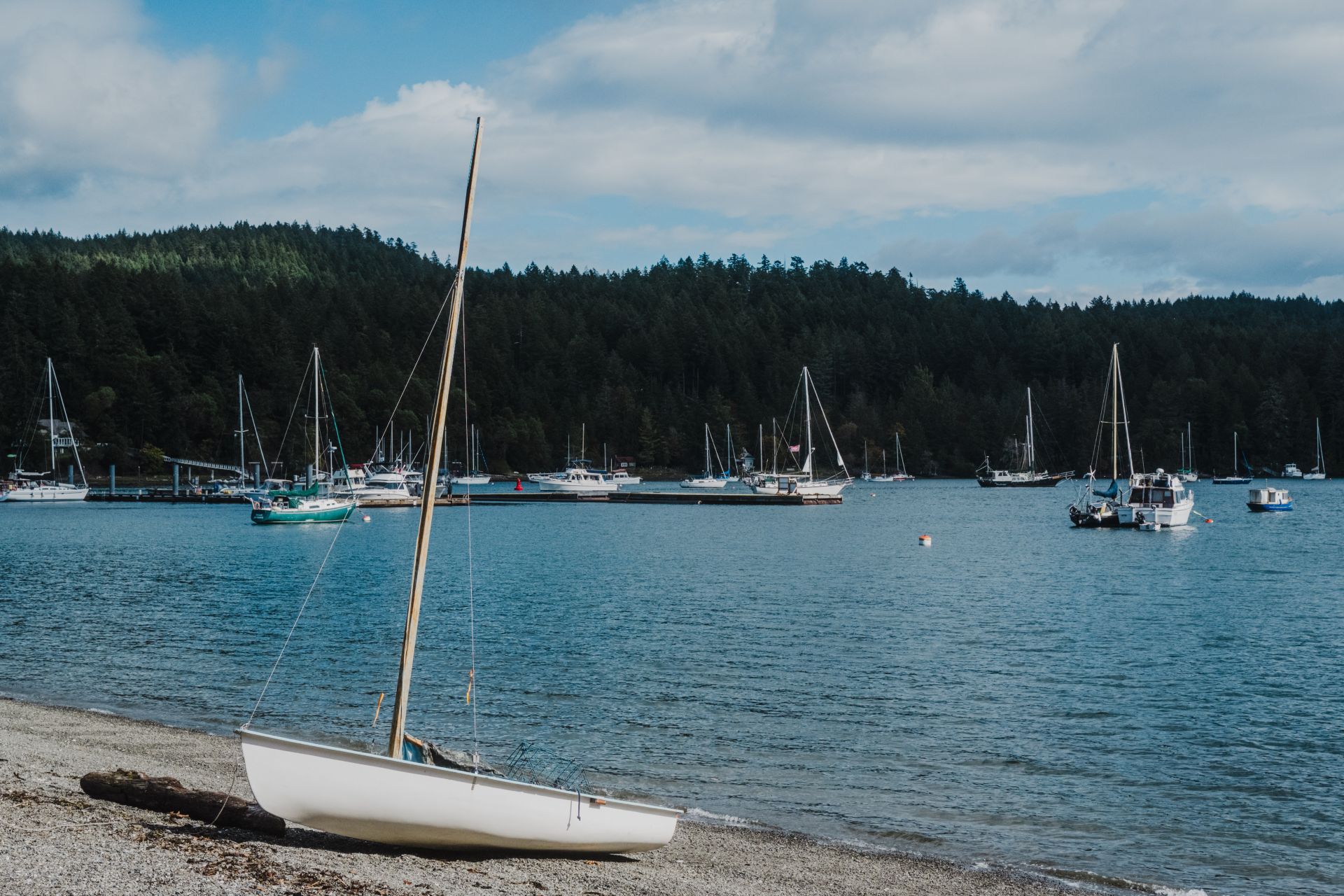
Many eelgrass beds surrounding the Southern Gulf Islands are suffering, and continued loss will impact salmon, herring, and the marine ecosystem as a whole. Take care to avoid disturbing the beds, especially by not anchoring in them. If you don’t know how to identify eelgrass, try using the maps available from the Islands Trust.
Report invasive crabs
A threat to native ecosystems, European green crabs outcompete native crabs and lobsters for food, and disrupt eelgrass beds. The Canadian government asks that sightings of European green crabs be reported, so that native species can recover once the European green crab population is reduced. Learn more about how to identify this invasive species, and report any sightings. You’ll also find signs on many of the islands’ docks.
Pack it out
All ocean-dwelling animals accidentally consume plastic on a regular basis. Help keep the Salish Sea litter-free. Don’t just pack out your own garbage, take the time to pick up waste left by others and leave the island region cleaner than you found it. Bagging garbage on the beach and scooping up floating litter quickly prevents things like styrofoam and plastic from breaking down into tiny granules and microplastics that are nearly impossible to remove from the environment. Or, try participating in the Annual Mayne Island Beach Cleanup, which removed 10 cubic meters of garbage in 2023 and diverted 70% of that from the landfill to Ocean Legacy.
Find the pump-out stations
Raw sewage or grey water can severely damage sensitive marine areas, such as shellfish beds, especially in areas where there are a lot of boaters, like our harbours. In Canada, dumping sewage within three nautical miles of shore is illegal. Cruise by Pender Island or Salt Spring Island and use the sewage pump-out facilities that are available to transient boaters, or find other local pump-out stations along your route.
Connect to your inner islander
Join us in preserving this precious region. From being aware of sensitive ecosystems and properly disposing of waste, to practising responsible boating, your actions can make a positive (and meaningful) impact on our islands and waters. Bring the good vibes and let nature and people flourish in your wake.
Written by Natasha Simpson


