
Paddling the Southern Gulf Islands: A Guide to Exploring BC’s Coastal Paradise

The Southern Gulf Islands archipelago is hard to beat in terms of world-class paddling destinations.
This collection of small islands is scattered across the southern end of the Salish Sea and boasts a glorious Mediterranean microclimate, crystal clear waters, and rare coastal ecosystems. It’s also home to an often kooky community of artists, farmers, and unique characters who help make this place so memorable.
These islands are part of the traditional unceded territories of the Coast Salish Peoples, including W̱SÁNEĆ First Nations and Hul’quimi’num Treaty Group — people who have been paddling these channels and inlets since time immemorial and remain stewards of these waters. Their paddles carved the first marine trails now woven through the Gulf Islands National Park Reserve and beyond.

Connecting With Nature when Paddling the Southern Gulf Islands
From a paddler’s perspective, the Southern Gulf Islands offer some of the most accessible waters in the world, with endless opportunities to connect with the wild and remote.
With dozens of launch points scattered across Vancouver Island and throughout the archipelago, it’s easy to set out on a spontaneous day trip or a full-on multi-day expedition. Whether planning a self-sufficient adventure or a casual paddle with plenty of stops for fresh supplies, you’ll find yourself spoiled for choice during route planning here.
There are dozens of spectacular campsites and rest spots, many within the Gulf Islands National Park Reserve, BC Provincial Parks, and regional parks.
The official Gulf Islands Marine Trail spans three recommended routes, each providing ample opportunity to serve up lunch at a remote pebbled beach or gourmet dinner in town, from Ganges on Salt Spring to Montague Harbour on Galiano.
Check out the Gulf Islands Marine Trail to plan your next paddle, including campsites, route hazards (watch out for ferries!), and detailed maps.
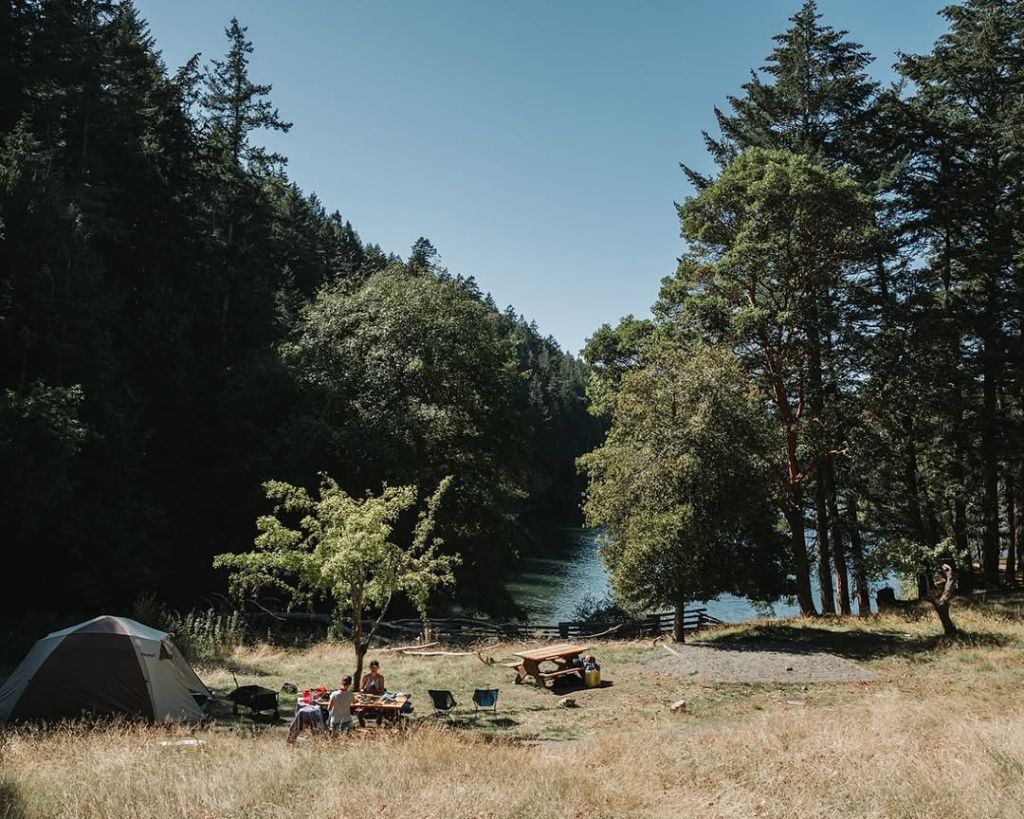
But most importantly, you’ll want to read through the BC Marine Trails Code of Conduct. Paddling through the Southern Gulf Islands means experiencing some of the most pristine ecosystems and areas critical to the Coast Salish Peoples. Knowing the guidelines for First Nations homelands as well as best practices for camping, waste, and wildlife maintains the nature of these islands and ecosystems for all.
Respect First Nations Guidelines
The Southern Gulf Islands are located within the traditional, ancestral, and unceded territories of Coast Salish Peoples, including Hul’q’umi’num’ and SENĆOŦEN-speaking Nations. These waters and shorelines have been travelled, harvested, and cared for since time immemorial, shaped by ancient canoe routes, reef net fisheries, village sites, and rich cultural traditions that remain vibrant today.
Golden Rule
These are not just islands to explore — they are homelands. Travel with respect. Stay in designated areas, avoid culturally sensitive sites, and visit the BC Marine Trails map to learn how to paddle responsibly through these incredible Territories.
Human Waste Best Practices
Where possible, use the facilities provided — many campsites in the Southern Gulf Islands are equipped with toilets of some kind! Refer to the BC Marine Trails map when planning your trip to find infrastructure available by site.
Coastal environments have thin soils and limited capacity for decomposition, so catholes do not work! Leaving waste behind can contaminate water sources, impact wildlife, and affect other visitors’ experiences.
Remember, composting toilets are for human waste only. All other garbage — including wipes, sanitary products, diapers, and food scraps — must be packed out or disposed of in designated bins.
When visiting a BC or National Park, defer to park specific best practices.
For sites without toilets, refer to the chart below: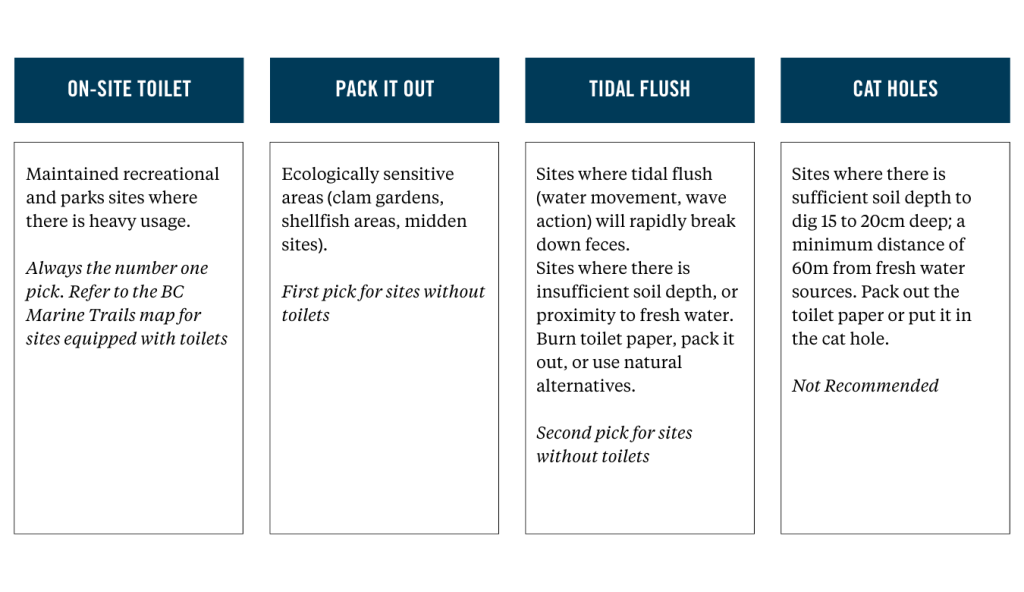
Responsible Fires when Paddling the Southern Gulf Islands
Campfires are permitted in many areas when no fire ban is in effect, but they require care and intention. A poorly placed fire can damage fragile ecosystems and leave lasting scars on the landscape.
If you choose to have a fire, build it below the high tide line using small pieces of driftwood. Keep it small, manageable, and always fully extinguish it before you leave, allowing the tide to remove any evidence you were there!
At established campgrounds, use the official fire rings provided.
Keep Wildlife Wild
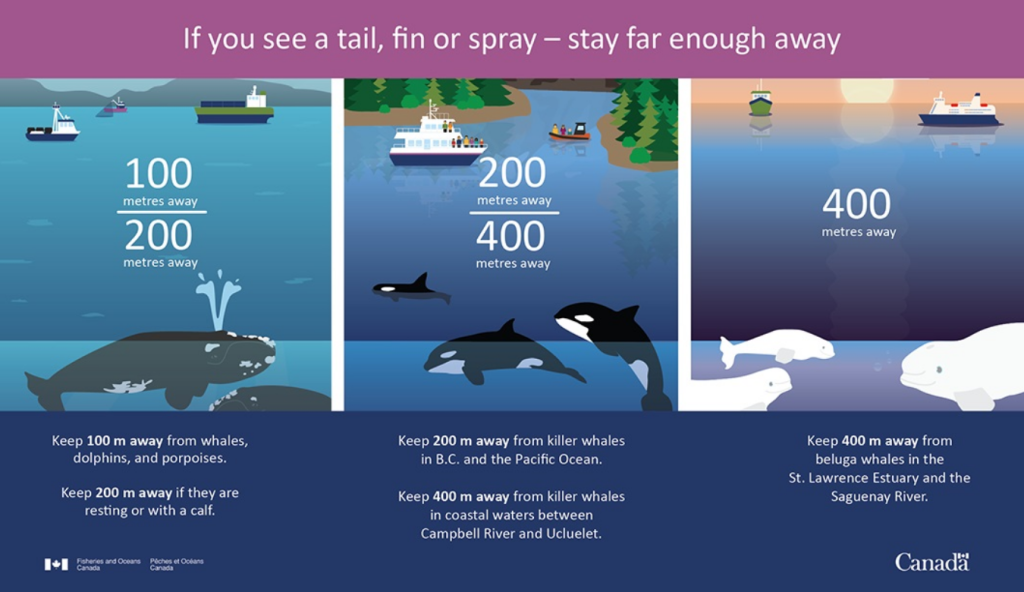
The idyllic waters of the Southern Gulf Islands are teeming with life. Whether you’re gliding past rocky outcrops on a paddleboard or exploring quiet coves by kayak, keep an eye out for harbour seals, bald eagles soaring above, and barking sea lions! If the timing’s just right, you might even spot orcas cruising through the Salish Sea!
As magical as these moments are, remember that wildlife encounters come with responsibility. Give animals plenty of space, never feed or approach them, and avoid lingering near haul-outs, rookeries, or nesting areas. Disturbing wildlife can stress the animals, disrupt their natural behaviours, and even create unsafe situations for paddlers and campers alike.
When camping in the Southern Gulf Islands, secure food and scented items properly. Use food caches where available, store items in your kayak, or hang them away from your tent. Even small islands can attract curious critters, so proper food storage is key to keeping wildlife wild — and your camp safe.
Grey Water Disposal
Coastal ecosystems are sensitive to pollution, and even small amounts of soap can harm marine life.
Minimize your impact by avoiding soap when washing dishes — at a minimum, ensure soaps are biodegradable and camp friendly. Instead, use hot water and natural abrasives like sand or gravel. Dispose of grey water below the high tide line, where tidal action can help break it down and disperse it safely.
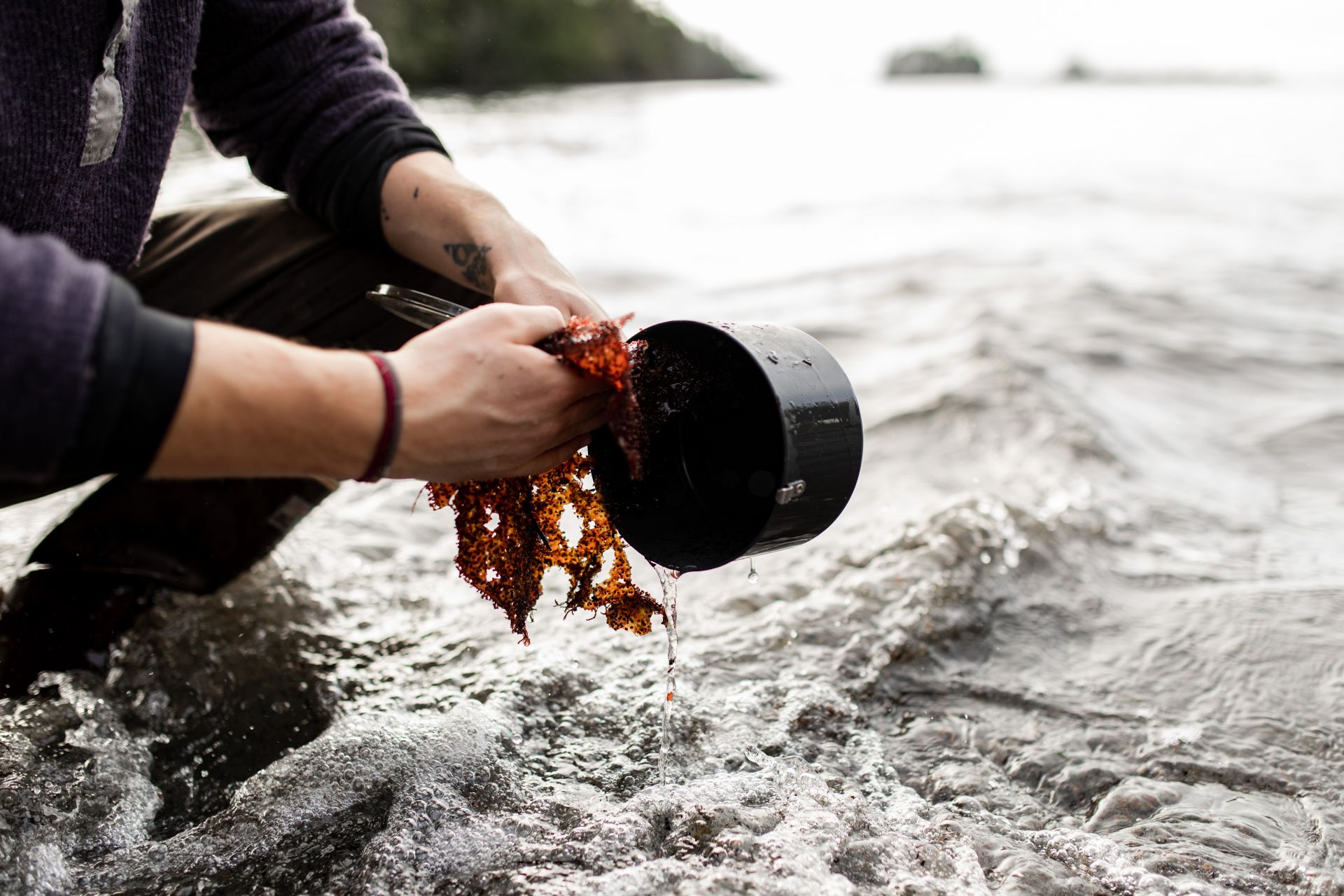
Credit: Landon Copplestone
Leave The Coast Better
Our goal is for recreation to have a neutral — or even positive — impact on the coast. Stick to established trails and campsites to avoid trampling sensitive vegetation and causing erosion. Pack out everything, including food scraps, to leave each site as clean and magical as you found it — or better.
Whether it’s picking up a few pieces of marine debris, keeping your camp compact, or resisting the urge to create new trails, these simple choices help protect the coast.


